16 Mid Century Modern Patterns: A Guide to Choosing and Using Them Effectively
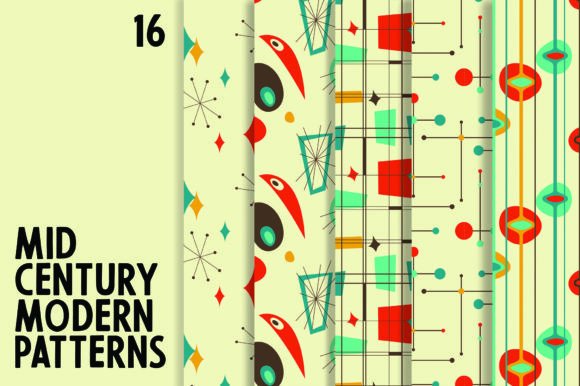
If you're looking to add a timeless, stylish aesthetic to your designs, 16 Mid Century Modern Patterns can be a valuable resource. Inspired by the real illustrations of the mid-century design era, these patterns offer a unique blend of retro charm and modern usability. Whether you're a designer, marketer, or hobbyist, incorporating these patterns can elevate your projects with a sense of nostalgia and sophistication.
Understanding 16 Mid Century Modern Patterns
16 Mid Century Modern Patterns is a collection of vector-based designs that capture the essence of mid-century modern style. This style, popular from the 1940s to the 1960s, is characterized by clean lines, organic shapes, and a focus on functionality. These patterns are not just decorative; they are meant to enhance the visual appeal of your work while maintaining a professional look.
These patterns are ideal for use in branding, web design, print materials, and more. Their high-resolution quality ensures that they look sharp and clear at any scale, making them versatile for both digital and physical applications.
Common Mistakes When Using 16 Mid Century Modern Patterns
While 16 Mid Century Modern Patterns can be incredibly useful, there are several common mistakes people make when choosing and applying them. Being aware of these can help you avoid unnecessary errors and ensure better results.
- Overusing the same pattern: Applying the same pattern repeatedly can lead to visual fatigue and reduce the impact of your design. It's important to vary the patterns to keep your visuals engaging.
- Ignoring color coordination: Not all mid-century patterns are created equal in terms of color schemes. Some may clash with your existing palette, so it's essential to test how they look together.
- Not considering the context: The right pattern can make or break a design. Always consider the purpose and audience of your project before selecting a pattern.
- Using low-quality versions: While many free patterns exist, they may lack the resolution and detail needed for professional use. Always opt for high-quality vectors.
- Overlooking licensing details: Some patterns may have restrictions on commercial use. Be sure to check the license agreement before using them in your projects.
How These Mistakes Affect Your Work
Making these mistakes can have several negative impacts on your design outcomes. Overuse of patterns can make your work feel cluttered and unprofessional. Poor color coordination can create an unbalanced look, reducing the overall effectiveness of your message.
Choosing the wrong pattern for the context can lead to miscommunication or a lack of clarity in your design. Using low-quality patterns may result in poor print or screen output, which can damage your brand’s image. Lastly, ignoring licensing agreements can lead to legal issues, especially if you're using the patterns for commercial purposes.
Practical Tips for Better Use of 16 Mid Century Modern Patterns
To avoid these pitfalls, here are some practical tips for effectively using 16 Mid Century Modern Patterns:
- Experiment with variety: Try mixing and matching different patterns to create a dynamic and visually interesting design.
- Test color combinations: Before finalizing a design, test how the chosen patterns interact with your color scheme to ensure harmony.
- Consider the application: Think about where the pattern will be used—whether it's for branding, social media, or print—and choose accordingly.
- Use high-quality sources: Invest in premium pattern packs to ensure clarity and professionalism in your work.
- Review licensing terms: Always read and understand the terms of use to avoid any potential legal issues.
What to Check Before Making a Decision
Before deciding to use 16 Mid Century Modern Patterns, there are a few key factors to consider:
- Intended use: Are you using the patterns for personal projects, client work, or commercial purposes?
- Quality and resolution: Ensure the patterns are high-resolution and suitable for both digital and print formats.
- License type: Determine whether the patterns are free to use, require attribution, or are for commercial use only.
- Compatibility: Make sure the patterns are compatible with your design software and file formats.
- Design goals: Align the patterns with your overall design vision to maintain consistency and coherence.
By carefully evaluating these aspects, you can make informed decisions that align with your creative and business objectives.
Conclusion
Using 16 Mid Century Modern Patterns can significantly enhance your designs with a touch of retro elegance. However, it's important to approach their use thoughtfully to avoid common mistakes that could undermine your efforts. By understanding the nuances of pattern selection, application, and licensing, you can create compelling and professional-looking designs that resonate with your audience.