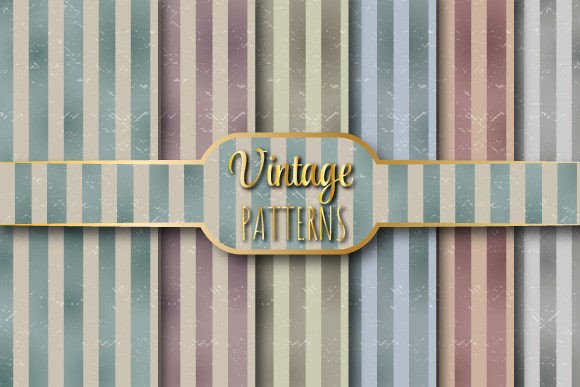
Vintage Line Patterns
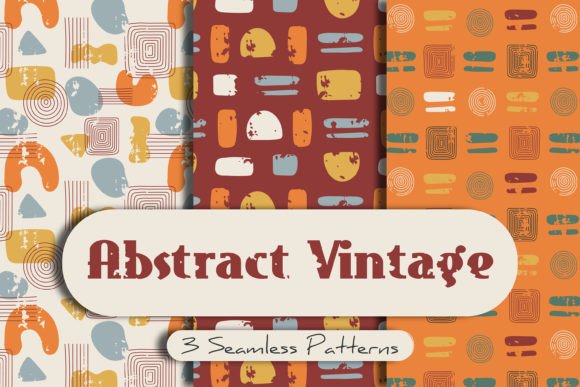
Vintage Line Patterns offer a nostalgic yet versatile design element that can enhance both aesthetic and functional aspects of creative projects. These patterns are characterized by their clean, repetitive lines that evoke a sense of history and craftsmanship. Whether you're working on graphic design, branding, or digital art, integrating Vintage Line Patterns can add depth and character to your work.
Understanding Vintage Line Patterns
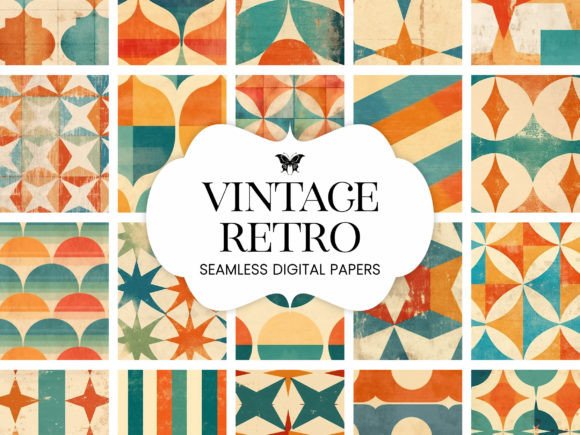
Vintage Line Patterns are more than just decorative elements—they are tools that can influence the visual language of a project. They often feature geometric shapes, subtle curves, and consistent spacing that create a cohesive look. These patterns are commonly found in retro-inspired designs, vintage posters, and classic typography.
The appeal of Vintage Line Patterns lies in their ability to blend old-world charm with modern applications. They can be used to reinforce brand identity, create visual hierarchy, or add texture to otherwise flat designs. Their simplicity makes them adaptable across various mediums, from print to digital platforms.
Where Vintage Line Patterns Fit in the Creative Process
Vintage Line Patterns can be integrated at multiple stages of a project. Before starting a design, using these patterns as inspiration can help establish a visual direction. During the development phase, they can serve as background elements or overlays to add texture without overwhelming the main content. After completion, they can be used to refine the final look or enhance the overall composition.
These patterns are particularly useful in scenarios where a tactile feel is desired. For example, in product packaging, Vintage Line Patterns can give a premium feel, while in web design, they can guide user attention through subtle visual cues.
Use Cases for Vintage Line Patterns
- Branding: Vintage Line Patterns can be incorporated into logos, business cards, and stationery to reflect a timeless aesthetic.
- Web Design: They can be used as background textures or border elements to create a vintage-themed website.
- Digital Art: Artists can use these patterns as base layers to build upon, offering a foundation for more complex compositions.
- Print Media: In magazines, brochures, and flyers, these patterns can add visual interest and reinforce a thematic narrative.
- Interior Design: Vintage Line Patterns can inspire wall art, textiles, and furniture designs that evoke a bygone era.
Technical Specifications and File Formats
To ensure optimal use of Vintage Line Patterns, it's important to understand the technical specifications and file formats available. Each pattern is provided in a zip file containing one EPS file and six JPEG files. The EPS format ensures high-quality vector graphics that can be scaled without loss of detail, making it ideal for professional printing and digital use.
The JPEG files are optimized for web and screen display, offering a balance between quality and file size. All images are 12 x 12 inches at 3600 x 3600 pixels resolution, with a 300dpi setting that guarantees sharpness and clarity. This combination of vector and raster formats provides flexibility for different applications, whether you're working on a print layout or a digital campaign.
Workflow Integration Tips
When integrating Vintage Line Patterns into your workflow, consider the following best practices:
- Plan Ahead: Determine how the patterns will complement your design before importing them. Consider color schemes, contrast, and placement to maintain visual harmony.
- Test Compatibility: Ensure that the patterns work well with other design elements, such as fonts, images, and layouts. Use mockups or previews to see how they fit together.
- Organize Files: Keep your pattern files organized in a dedicated folder. Labeling each file clearly helps streamline the design process and avoids confusion.
- Experiment with Layers: Use layer styles or effects to adjust the opacity, blending modes, or filters of the patterns. This allows for greater control over how they interact with other design components.
- Iterate and Refine: Don't be afraid to experiment with different combinations of patterns. Sometimes, combining multiple vintage line patterns can yield unique and unexpected results.
Collaboration and Cross-Platform Use
Vintage Line Patterns are not limited to a single platform or tool. They can be easily shared and used across various design software, including Adobe Illustrator, Photoshop, and InDesign. This versatility makes them an excellent choice for collaborative projects, where multiple designers may need to access and modify the same assets.
When working with teams, it's important to establish clear guidelines for pattern usage. Define which patterns are approved for specific projects, set up shared libraries, and ensure that everyone has access to the latest versions. This promotes consistency and reduces the risk of errors or inconsistencies in the final output.
Long-Term Use and Quality Control
For long-term projects or recurring design needs, maintaining a consistent library of Vintage Line Patterns is essential. Regularly review and update your collection to ensure that it remains relevant and aligned with your brand or creative vision.
Quality control should also be a priority. Always verify that the patterns are correctly formatted, properly labeled, and free from any issues that could affect their performance in different contexts. This includes checking for file corruption, ensuring correct resolution, and confirming compatibility with various design tools and platforms.
Conclusion
Vintage Line Patterns offer a unique blend of style and functionality that can elevate your creative projects. By understanding their role in the design process, exploring their applications, and implementing them effectively, you can unlock new possibilities for your work. Whether you're a designer, marketer, or hobbyist, these patterns provide a valuable resource that can enhance both the aesthetic and practical aspects of your projects.